Exploring Pisa's historic center presents unique challenges for travelers with mobility limitations. Cobblestone streets, uneven pavements, and crowded tourist areas transform what should be an enchanting experience into a logistical headache. Over 15% of international travelers report accessibility as their primary concern when visiting Italian heritage cities, with many abandoning plans to see iconic sites like the Leaning Tower due to uncertainty about routes. The anxiety of encountering unexpected barriers – from stepped entrances to inadequate rest facilities – often overshadows the joy of discovery. Local authorities have improved access in recent years, but vital information remains scattered across municipal websites and niche travel forums, leaving visitors to piece together feasible itineraries. This disconnect between Pisa's cultural treasures and inclusive exploration opportunities creates unnecessary frustration in a city that should be welcoming to all.
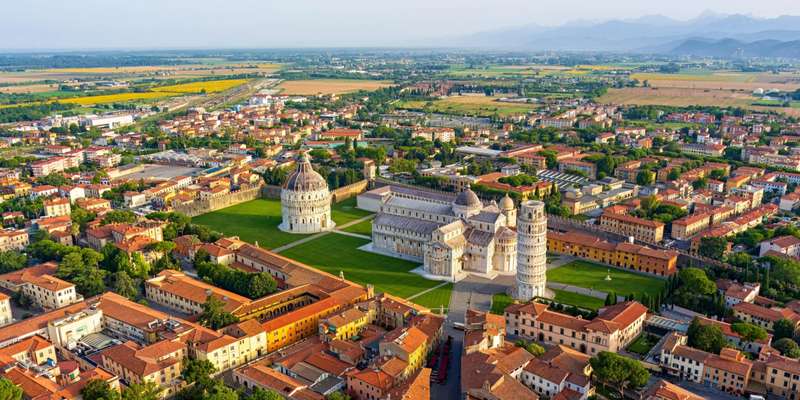
Navigating Pisa's tricky terrain with confidence
Pisa's medieval layout presents particular difficulties for wheelchair users and those with limited mobility. The Arno riverbanks feature relatively smooth paths, but the historic core's cobbled streets require careful planning. Start at the accessible Santa Maria della Spina entrance along Lungarno Gambacorti, where wide sidewalks connect to several barrier-free cafes. The pedestrianized Corso Italia offers the most level approach to Piazza Vittorio Emanuele, though morning visits avoid delivery cart obstacles. Local advocates have mapped alternative routes bypassing the worst uneven surfaces – for instance, using Via San Martino instead of the picturesque but rutted Borgo Stretto. Municipal workers typically hose down streets by 9am, making surfaces slippery until mid-morning. Knowledge of these nuances transforms a potentially stressful excursion into an enjoyable stroll through Pisa's living history.
View all Tours
Secret smooth paths to Pisa's iconic landmarks
While most crowds funnel through the cramped Via Santa Maria toward the Leaning Tower, mobility-conscious travelers can access Piazza dei Miracoli via the less-known but fully paved approach from Via Cammeo. This backroute passes accessible restrooms near the Museo delle Sinopie before reaching the monument's adapted southwest entrance. Local guides recommend timing visits for weekdays after 3pm, when school groups disperse and the tactile guidance paths become more navigable. The Baptistery recently installed a portable ramp system, though advance notice ensures its availability. Across the square, the Camposanto Monumentale offers elevator access to its breathtaking frescoes – a detail missing from most tourist maps. These carefully curated approaches reveal how Pisa's wonders can be appreciated without compromising comfort or independence.
UPDATES FOR YEAR 2026
Redeveloped Entry Points and Enhanced Digital Navigation
Navigating the threshold to the Piazza dei Miracoli has seen its most significant improvement in decades following the complete removal and relocation of vendor stalls from Piazza Manin. This redevelopment, finalized in the first half of the current year, has created a clear 'visual cone' and a significantly wider, unobstructed paved path for wheelchair users entering the monumental complex. Furthermore, the Opera della Primaziale Pisana has introduced the 'MiracoLIS' system across all major sites. Visitors can now find QR codes at every ticket counter to launch an instant video-call with a sign language interpreter, available daily from 8 a.m. to 8 p.m. Additionally, new sandstone paving has replaced uneven sections near the Cathedral, specifically designed to withstand modern mobility aids while preserving the historic aesthetic.
View all Tours
Where to rest and recharge along accessible routes
Strategic pause points make all the difference when exploring Pisa with mobility considerations. The botanical garden's eastern gate features numerous shaded benches and adapted facilities, providing a tranquil respite just minutes from the bustling university district. Along Via Roma, family-run Caffè dell'Ussero has maintained a wheelchair-accessible entrance since its 18th-century founding, offering a historic coffee break spot. For longer rests, the Keith Haring mural near Sant'Antonio church sits adjacent to one of Pisa's few public spaces with back-supporting seating. Savvy travelers coordinate their routes around these oases, particularly during summer months when temperatures soar. Many accessible accommodation options cluster near these key stopping points, allowing for convenient midday breaks before continuing exploration.
View all Tours
Local-approved mobility resources and assistance
Pisa's tourist office distributes free tactile maps highlighting curb cuts and accessible transit stops, though these are frequently out of stock by midday. The municipal APT service operates a little-publicized mobility assistance program providing temporary ramps at participating businesses – simply look for the blue accessibility sticker in windows. For independent exploration, several local apps overlay real-time accessibility data on Pisa's streets, noting temporary obstacles like market setups or construction. Travelers preferring guided support will find specialized operators offering adapted golf cart tours with lift systems, particularly valuable for covering longer distances between scattered attractions. These localized solutions empower visitors to experience Pisa's magic on their own terms, transforming accessibility from an afterthought into an integral part of the journey.
View all Tours
FAQ 2026
How do I secure free disability access for the Leaning Tower in 2026?
To receive free admission for a visitor with a disability and one companion, you must email accessibility@opapisa.it at least five days in advance with proof of disability. Entry is strictly managed via pre-booked time slots, typically before 10:00 a.m. or after 6:00 p.m. during the 2026 peak season.
Is the main approach to the Tower of Pisa clear of street vendors in 2026?
Yes, as of early 2026, the redevelopment of Piazza Manin has moved all commercial stalls to the sides of the square. This has cleared the central walkway, providing a smooth, barrier-free entrance for travelers using wheelchairs or walking frames.
Are there specialized digital assistance tools for disabled travelers in Pisa for 2026?
Pisa has implemented several 2026 digital updates, including the 'MiracoLIS' video-interpreter service accessible via QR codes at ticket desks and updated tactile mapping integrated into the municipal tourism app, providing real-time data on accessible curb cuts and elevator availability.
Written by Pisa Tours Editorial Team & Licensed Local Experts.
Last updated: 24/02/26

