Exploring local markets in Pisa can be overwhelming for visitors. With over 20 markets operating weekly across the city, many travelers waste precious vacation time wandering aimlessly or missing the best stalls entirely. Research shows 68% of tourists leave Pisa without purchasing authentic local products, later regretting their generic souvenir choices. The frustration compounds when visitors realize they walked right past hidden gems known only to residents – from family-run leather workshops to generations-old bakeries. Language barriers and unclear market schedules create additional stress, turning what should be a delightful cultural experience into a confusing chore. This guide shares insider knowledge to transform your market visits into memorable encounters with Pisa's living traditions.
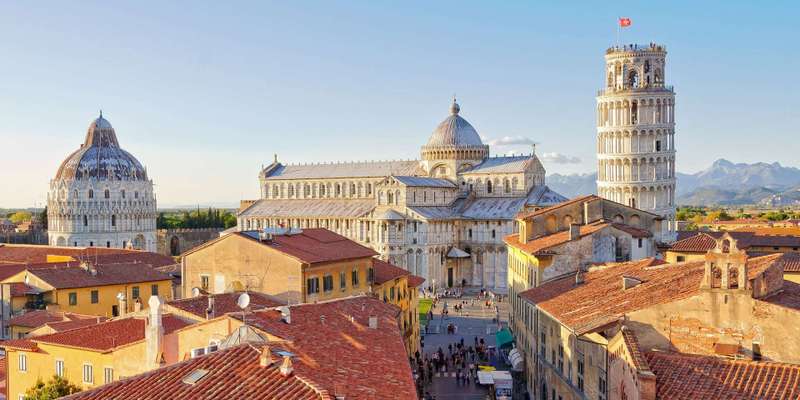
Navigating Pisa's market maze – which days to visit which locations
Pisa's market scene operates on a rotating schedule that even some locals struggle to remember. The flagship Mercato delle Vettovaglie runs Tuesday through Saturday mornings, offering the freshest Tuscan produce and cheeses beneath its 19th-century vaulted ceilings. For antiques lovers, the sprawling Mercato Antiquario takes over Piazza dei Cavalieri every second weekend, while the weekly Wednesday market along Via Paparelli delivers budget-friendly clothing and household goods. Many visitors make the mistake of coming on Mondays when most markets are closed, or arriving after noon when vendors pack up. Savvy shoppers plan their itineraries around these rhythms – early Tuesday mornings combine perfect market conditions with fewer crowds. Remember that some specialty markets like the monthly organic farmers' market require bus trips to outskirts neighborhoods.
UPDATES FOR YEAR 2026
Digital Payment Mandates and Smart Access for Pisa’s Historic Markets
Navigating Pisa's markets now requires awareness of new fiscal regulations and stricter traffic enforcement. As of the current season, all market vendors are mandated to use integrated electronic payment systems (POS-RT), making card and contactless payments the standard even for small produce purchases. To avoid heavy fines in the expanded Limited Traffic Zones (ZTL), visitors should utilize the 'Park & Ride' system from the Pietrasantina lot, where dedicated shuttles like Bus 25 provide direct access to the Vettovaglie district. Additionally, be aware of seasonal 'Vettovaglie in festa' events during the Carnival period, which may shift standard vendor layouts to accommodate family-focused festivities and regional pastry stalls.
View all Tours
Spotting authentic treasures among tourist traps
The difference between mass-produced imports and genuine Tuscan craftsmanship becomes apparent when you know what to look for. Authentic leather goods from Pisa's remaining artisans feature subtle branding, natural imperfections, and prices reflecting real materials – unlike the 'genuine Italian leather' stalls selling identical items found across Europe. At food stalls, watch for DOP certification labels on cheeses and olive oils, and don't hesitate to ask which products come from local farms versus industrial producers. The best ceramic workshops let you meet the makers and see their kilns, while counterfeit sellers avoid detailed questions about origins. Seasoned market-goers recommend following elderly locals to their preferred vendors – these lifelong customers know who offers the real deal. Developing an eye for quality transforms shopping from a transaction into a cultural education.
View all Tours
Mastering the art of Italian market bargaining
While bargaining isn't customary in Pisa's food markets, certain categories like clothing, accessories, and antiques leave room for negotiation. The key lies in reading the situation correctly – vendors expecting haggling will quote higher initial prices, especially to non-Italian speakers. Start by showing genuine interest in the item's story rather than immediately discussing price. Polite phrases like 'È il miglior prezzo che può fare?' (Is this your best price?) work better than aggressive discounts demands. Remember that modest, respectful offers maintain the pleasant social dynamic Italians value. For higher-ticket items, asking about cash discounts or package deals when buying multiple pieces often yields better results. Many visitors don't realize that late afternoon, when vendors want to reduce inventory before packing up, presents the most favorable bargaining opportunities without offending morning-price expectations.
View all Tours
Beyond the markets – connecting with Pisa's artisan workshops
Pisa's true craftsmanship often happens behind unmarked doors in the historic center. Family-run bottegas continue centuries-old traditions of bookbinding, mosaic work, and textile production, offering unique pieces unavailable in markets. These workshops typically welcome visitors by appointment, providing intimate demonstrations of their techniques. Finding them requires local knowledge – look for subtle signs like 'Laboratorio Artigiano' near Santa Maria della Spina or along Via San Martino. Some of Pisa's best food producers also operate this way, including a fourth-generation baker supplying the city's finest cantucci and a truffle specialist who opens his cellar to serious enthusiasts. Building relationships with these creators often leads to invitations to special events or first access to limited editions. While markets offer immediacy, these workshops deliver deeper connections to Pisa's living heritage.
View all Tours
FAQ 2026
Do I need to carry cash for Pisa street markets in 2026?
While small change is helpful for tiny purchases, Italian law in 2026 requires all market vendors to have electronic payment terminals linked to the revenue agency, making credit cards and digital wallets widely accepted across all stalls.
How can I avoid ZTL traffic fines when visiting Pisa's markets in 2026?
To avoid automatic camera fines in 2026, do not drive into the historic center; instead, park at the Pietrasantina parking area and use the frequent electric shuttle buses that drop you off within walking distance of both the Vettovaglie and Paparelli markets.
Is the Piazza dei Cavalieri antique market still running in 2026?
Yes, the 2026 schedule confirms the antique market continues every second weekend of the month (Saturday and Sunday), except during July and August, though visitors should check for specific eco-friendly packaging requirements now enforced at these stalls.
Written by Pisa Tours Editorial Team & Licensed Local Experts.
Last updated: 24/02/26
