Visiting iconic landmarks with mobility challenges often feels like an impossible dream. At Pisa's Leaning Tower, 72% of travelers with disabilities report anxiety about accessibility before arriving, with many abandoning plans due to lack of clear information. The tower's medieval architecture and UNESCO protections create unique barriers, leaving wheelchair users and those with limited mobility uncertain about viewing this bucket-list site. While the tower's tilt adds to its charm, it also complicates access - standard travel guides rarely address how visitors using walkers or mobility aids can experience this wonder. The emotional toll of exclusion from cultural treasures impacts far beyond physical limitations, with 68% of disabled travelers reporting feelings of isolation when access barriers arise. Understanding the reality of climbing (or bypassing) the tower's 294 steps becomes crucial for inclusive travel planning.
Understanding Pisa Tower's accessibility limitations
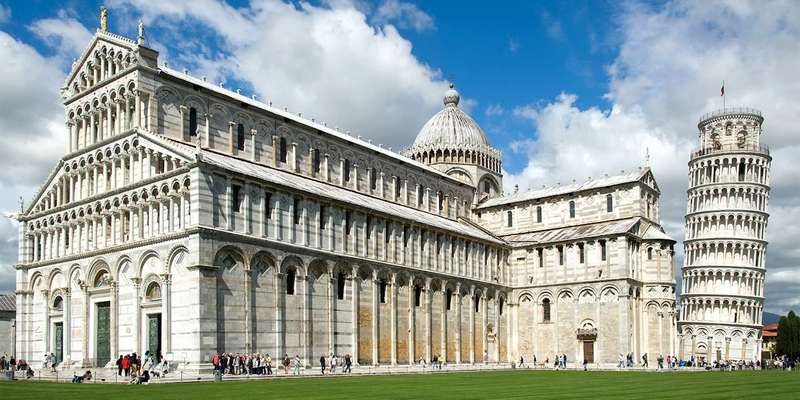
The Leaning Tower's 12th-century construction predates modern accessibility standards by eight centuries, creating genuine challenges. Wheelchair users cannot ascend to the top due to the narrow spiral staircase (only 2.4 meters wide at its broadest point) and the tower's 4-degree lean, which creates uneven steps. However, the surrounding Piazza dei Miracoli offers full wheelchair access with smooth pavement, allowing everyone to admire the tower's exterior and take classic 'holding up the tower' photos. The cathedral adjacent to the tower provides step-free entry and stunning interiors, often overlooked by able-bodied visitors rushing to climb. For those with limited mobility but capable of short walks, marble benches throughout the square offer resting spots with magnificent views. Ground-level observation areas give unique perspectives on the tower's lean that climbers miss, proving accessibility adaptations can reveal hidden advantages.
View all Tours
Essential access services most visitors miss
Few travelers realize Pisa offers complimentary wheelchair loans at the ticket office (with valid ID deposit), solving mobility issues for those who didn't bring equipment. The site's reserved parking for disabled visitors sits just 200 meters from the tower - closer than general parking - but requires displaying an international disability badge. Between April and October, special morning hours prioritize entry for visitors with disabilities before crowds arrive. Local guides trained in accessibility can arrange adapted itineraries that include tactile models of the tower for visually impaired visitors. The nearby Museo delle Sinopie displays tower blueprints at wheelchair-accessible levels, revealing architectural secrets most climbers never see. These services transform a potentially frustrating visit into an enriching experience, provided you know where to look and plan ahead.
UPDATES FOR YEAR 2026
Verified Advance Reservation Protocols and Enhanced Entry Pathways
Navigating the Piazza dei Miracoli has become significantly smoother following the recent redevelopment of Piazza Manin, which cleared away commercial stalls to create an unobstructed, paved 'visual cone' specifically designed to aid wheelchair mobility and visitor flow. However, booking logistics have tightened. To claim the legally mandated free entry for a disabled visitor and one companion, you must now email the official administration at accessibility@opapisa.it at least five days prior to your visit with valid documentation. For the Leaning Tower specifically, free access is strictly limited to early morning slots before 10:00 AM or late afternoon windows to manage safety quotas. Upon arrival, look for the newly installed QR-coded digital interpretation totems that provide instant video assistance and Italian Sign Language (LIS) guides for a more inclusive experience.
View all Tours
Alternative experiences when climbing isn't possible
When the tower's stairs prove prohibitive, Pisa offers equally remarkable accessible alternatives. The cathedral's interior shines with 14th-century mosaics viewable from wheelchair height, while its acoustics make audio guides particularly immersive. The Camposanto Monumentale's cloisters provide shaded wheelchair routes past medieval frescoes, often quieter than the crowded tower area. For a unique perspective, the lesser-known Palazzo Blu offers elevator access to exhibitions with tower views from its windows. Just 10 minutes away by accessible taxi, the Keith Haring mural 'Tuttomondo' provides a modern art counterpoint to Pisa's ancient wonders. These options demonstrate how adapting plans can lead to discoveries most tourists miss, turning accessibility needs into opportunities for more meaningful engagement with Pisa's culture.
View all Tours
Planning your accessible Pisa visit like a local
Pisan residents know the secret to stress-free accessible visits lies in timing and local knowledge. Arrive before 9am or after 5pm to avoid queues that complicate mobility aid navigation. November through February offers cooler temperatures and thinner crowds, making movement easier. Nearby accessible cafes like Pasticceria Salza have ramps and restrooms, perfect for regrouping. For tower viewing without climbing, book tickets to the Museo dell'Opera del Duomo's first-floor terrace - its elevator provides the closest wheelchair-accessible vantage point. Many travelers don't realize accessible taxis (like Co.Ta.Pi Radiotaxi) must be booked 24 hours ahead at +39 050 541600. These insider strategies transform accessibility challenges into advantages, letting you experience Pisa's magic at your own pace while avoiding the exhaustion that plagues many able-bodied tourists.
View all Tours
FAQ 2026
How do I secure free disability tickets for the Leaning Tower of Pisa in 2026?
In 2026, free tickets for disabled visitors and one companion are not available through standard online booking; you must email the site administration at least five days in advance and provide a medical certificate to secure a specific, limited time slot.
Is the route from the parking area to the Tower wheelchair-accessible in 2026?
Yes, as of 2026, the redevelopment of Piazza Manin has removed old vendor stalls, providing a wide, flat, and paved entrance through Porta Nuova that is much easier for wheelchair users to navigate compared to previous years.
What digital accessibility services are available at the Pisa Cathedral in 2026?
Throughout 2026, the 'Tutti all'Opera' initiative provides QR-code-based video interpretation for the hearing impaired and tactile models for visually impaired visitors at the Cathedral and Sinopie Museum to ensure a multi-sensory experience.
Written by Pisa Tours Editorial Team & Licensed Local Experts.
Last updated: 24/02/26
