Visiting Pisa’s street markets can feel overwhelming without local knowledge. Many travelers waste precious vacation time wandering aimlessly or miss authentic experiences by sticking to tourist traps. Over 60% of visitors leave Pisa without discovering its vibrant market culture, often overspending on generic souvenirs or dining in overpriced restaurants. The frustration of navigating unfamiliar streets under the Tuscan sun only compounds the problem. This guide reveals where locals shop, eat, and bargain—transforming your market experience from stressful to unforgettable. Learn where to find the freshest produce, handmade crafts, and genuine Italian flavors while avoiding common tourist pitfalls.
Navigating Pisa’s market maze – which days to go and what to skip
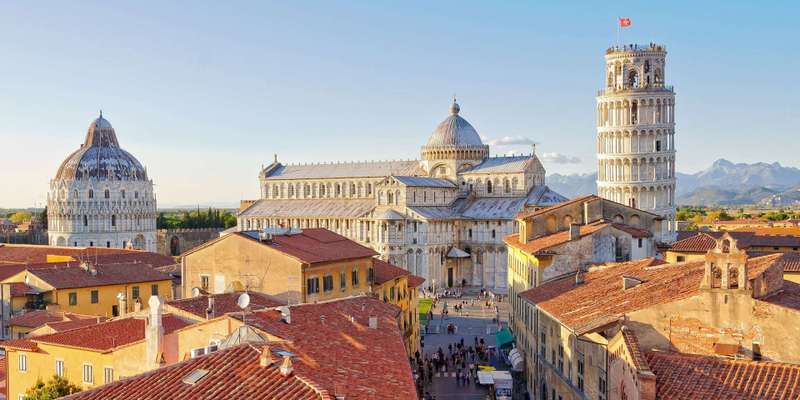
Pisa’s markets follow a precise weekly rhythm that most tourists never discover. The sprawling Mercato delle Vettovaglie near Ponte di Mezzo operates Tuesday through Saturday, offering the freshest local produce before noon—when savvy locals do their grocery shopping. Meanwhile, the antique market at Piazza dei Cavalieri (second weekend monthly) dazzles with vintage treasures but overwhelms unprepared visitors with its sheer size. Many fall into the trap of visiting the overpriced San Michele degli Scalzi market near the tower, not realizing it primarily targets tourists with inflated prices. For authentic interactions, target weekday mornings when vendors have time to share stories about their organic pecorino cheese or hand-stitched leather goods. Watch for the ‘chiuso’ signs indicating afternoon closures, a detail often missed in rushed itineraries.
UPDATES FOR YEAR 2026
Current Market Regulations and Logistics for Visitors
Recent updates to local commerce regulations now require all Pisa market vendors to provide digital payment options, including contactless cards and mobile apps, making it easier to shop at Mercato delle Vettovaglie without carrying large amounts of cash. However, carrying small denominations of cash remains a strategic advantage for securing the best 'prezzo scontato' (discounted price) at the Via del Brennero clothing stalls. Additionally, Pisa has implemented a strict plastic-free initiative; visitors must bring their own reusable bags as vendors are now prohibited from providing single-use plastic. For the antique market at Piazza dei Cavalieri, the layout has been reorganized to prioritize certified vintage dealers, and arriving before 10:00 AM is essential to secure authentic collectibles before the peak afternoon tourist flow.
Bargaining like a local – when to haggle and what’s fixed price
The unspoken rules of Italian market bargaining trip up many well-intentioned visitors. At Pisa’s mercatini, clothing stalls often welcome polite negotiation (start with ‘Posso avere uno sconto?’), while food vendors consider prices non-negotiable—a distinction that prevents awkward encounters. Leather goods sellers near Borgo Stretto expect 10-15% haggling room on handbags but not on wallet displays. Watch for subtle cues: vendors who make eye contact while you examine items are usually open to deals, while those busy arranging merchandise typically aren’t. The golden hour for discounts comes 30 minutes before closing, especially at the Wednesday flower market along Via San Martino. Remember to carry small bills; requesting change from €50 notes may cost you the discount you just secured.
Hidden food stalls locals keep secret – beyond the tourist focaccia
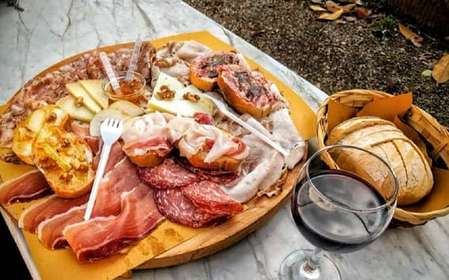
Behind the obvious pizza stands lie Pisa’s best-kept culinary secrets that guidebooks overlook. The unassuming ‘Mario’s Porchetta’ cart at Mercato Sant’Omobono serves roast pork sandwiches so legendary that university students queue discreetly before lectures. Nearby, Signora Lucia’s biscotti stall offers free almond tastings—her cantucci recipe unchanged since 1987. Most visitors miss the underground cheese cellar beneath Banchi Street market, where aged Parmigiano gets portioned with theatrical flair. For authentic breakfast, follow office workers to the ‘Caffè delle Ore’ stand for €1.50 cappuccino-and-crostini combos unavailable near the tower. These spots rarely appear on maps but transform market visits from generic snacking into cultural immersion.
Strategic market routes – combining shopping with sightseeing
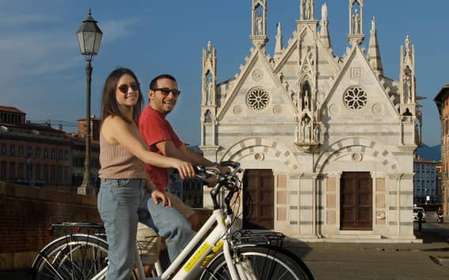
Smart market-hopping lets you experience Pisa’s commerce and culture without backtracking. Start early at Vettovaglie Market to catch fishmongers’ lively banter, then walk the scenic Arno river path to reach the artisan leather stalls near Santa Maria della Spina church by mid-morning. Time your visit to coincide with the 11am passeggiata (traditional stroll) along Corso Italia, where locals window-shop between errands. The overlooked Mercato di Via del Brennero makes a perfect pitstop en route to the lesser-known San Paolo a Ripa d’Arno church, letting you admire Romanesque architecture while sampling €2 porchetta panini. This integrated approach saves an average 1.5 miles of unnecessary walking compared to standard tourist routes—a game-changer during summer heat.
FAQ 2026
When does the Pisa antique market take place in 2026?
The antique market in Piazza dei Cavalieri is held on the second weekend of every month in 2026, operating on both Saturday and Sunday from 8:00 AM until approximately 7:00 PM.
Can I pay with a credit card at Pisa street markets in 2026?
Yes, in 2026 Italian law mandates that all street vendors in Pisa accept digital payments. While cards are widely accepted for all transaction sizes, carrying some cash is still recommended for bargaining power at non-food stalls.
What are the rules for plastic bags at Pisa markets in 2026?
In 2026, Pisa markets operate under strict sustainability guidelines. Single-use plastic bags are banned; visitors should bring their own reusable totes or be prepared to purchase compostable bags from local produce vendors.
Written by Pisa Tours Editorial Team & Licensed Local Experts.
Last updated: 24/02/26